
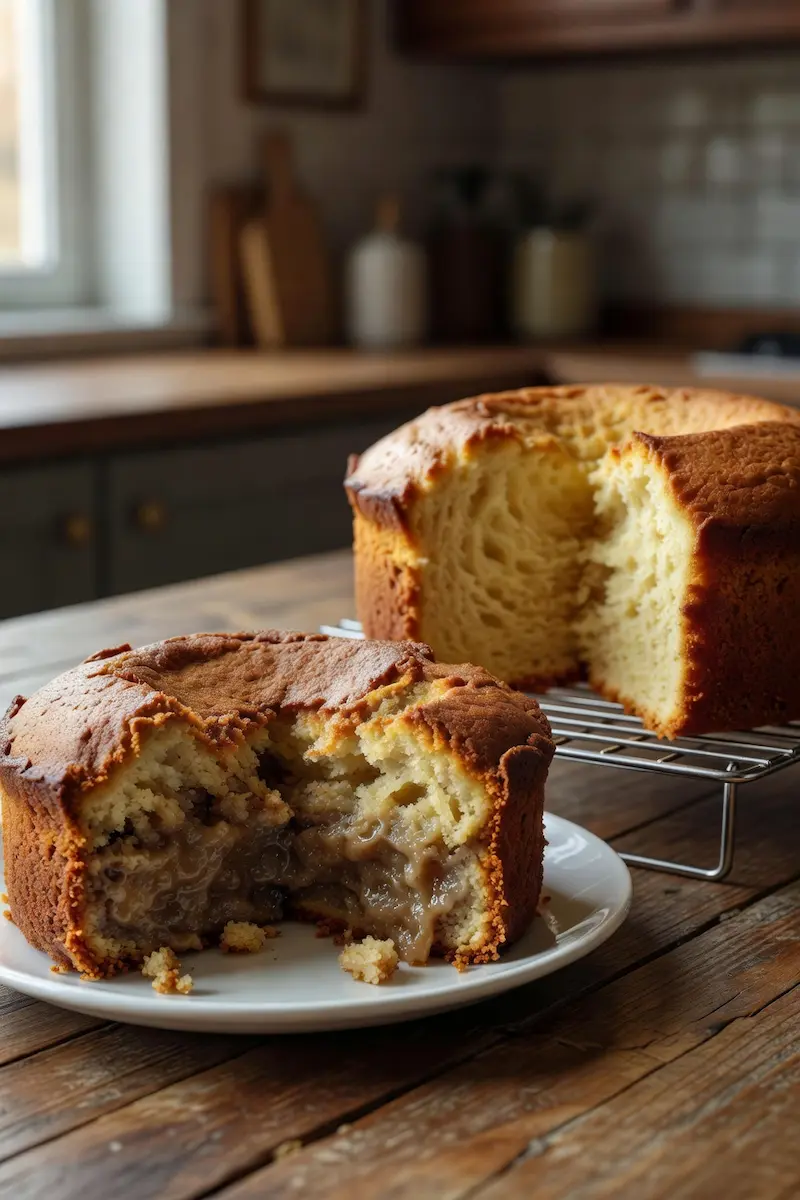
Knowing when to avoid bananas in baking is essential for creating baked goods that perfectly match your flavor and texture goals. While bananas are often loved for their natural sweetness and moisture, they aren’t suitable for every recipe or occasion. In this guide, we’ll uncover scenarios when skipping bananas is better and explore practical substitutes that work just as well.
Table of Contents
When Not to Use Bananas in Baking: 10 Situations to Consider
1. When Flavors Would Not Match
Flavor bananas in baking: Bananas, while they maybe in a recipe or dish, have that “special” flavor that could fill the dish. In recipes where the wanted value is neutrality or savories-or those that specify dishes such-as breads, rolls, scones, vegetable based cakes-it totally overpowers the taste intended.
Example: Keep bananas out of herbed focaccia or savory zucchini bread where subtle flavors are at play. Substitute: Use other foods, such as mashed sweet potato, pureed pumpkin, or even unsweetened applesauce, to retain moisture without making anything taste too strongly of banana.
2. When the Texture Desired Is Light and Fluffy
Bananas create dense baked products; not for sponge cakes or angel food cake, which require an airy texture and are good for banana bread or muffins.
Example: Never put bananas in chiffon cakes, for the batter is meant to be airy and light. Alternative: Lift it without moisture loss like whipped egg whites, buttermilk, or yogurt.
3. When You Are Baking for People Who Are Allergic
For the great part, there are such people; however, some are allergic to bananas. Hence, baking shall not favor group gathering. Even the tiniest bit in a recipe that joins everybody can ruin the fun. An example would be: No bananas in desserts made for potlucks or school events unless you are absolutely sure there are no allergies.
Mash up some avocado or mash some pears instead to get the banana’s smooth texture and blander flavor.
4. When Bananas Are Overripe or Spoiled
When bananas are overripe, they should go to baking; they shouldn’t go into darkened, fermented-smelling or slimy-textured places. Spoiled bananas will spoil a recipe, in addition to being a health hazard.
For example: Don’t use very mushy or moldy bananas, even in a well-spiced recipe such as a banana cake.
Alternative: If your bananas are all rotted, they should be replaced with some other fruit puree. Freeze bananas earlier to save them instead.
5. When You Want to Avoid Added Sugar
Bananas, though, are naturally sweet, making them valuable for replacing added sugars in recipes. It may be too sugary for low-sugar or sugar-free diets, however.
For example: Skip bananas in baking for any diabetic-friendly recipe if that’s going to be really important with sugar content controls.
Alternative: Moisture gain use unsweetened pumpkin or zucchini, without the sugar.
6. When You Don’t Have Enough Bananas
Sometimes you really just don’t have bananas, but you’re still in the mood to bake: There’s no need to rush to the store. You can switch the recipe with the substitution.
Example: Don’t cancel your plans for banana muffins just because you’re out of bananas.
Alternative: One-to-one substitutions for any pureed fruit, such as applesauce, pumpkins, or even mashed cooked squash.
7. When Baking Something New
Bananas are exceptionally versatile, but they don’t belong in every recipe. Trying to force bananas into baked goods where they don’t belong-a flaky pastry or chewy cookie-and you’re likely to be disappointed.
Do not use bananas in pie crusts, croissants, or sugar cookies. Stick to traditional fats such as butter, or shortening, for texture; instead, use complementary flavors, like vanilla or almond extract, besides.
8. When You Want A Longer Shelf Life:
Moreover, they were moist naturally so the pastries would have a longer shelf life, but that moistness is not good for flavor and texture. It also helps in losing its freshness or sets up molds faster in warm or humid areas.
Example: Don’t use bananas for those already-made or stored-long-into-the-future products, such as dry cakes or biscotti, which are good for shipping and storage.
Alternative: Prefer drier constituents like grated carrots or zucchinis to keep moisture intact without preventing shelf life.
9. When You’re Looking for an Even Neutral Base for Decorations
The strong aroma of bananas can clash with the flavors of intricate frostings or toppings, mostly in those particular recipes meant to bring out other flavors best-like layered cakes or elaborate cupcakes.
Example: Avoid bananas in wedding cakes or party desserts with flavors cut down because they would become too bold.
Alternative: Use vanilla or almond cake bases to provide a more neutral foundation for decoration to shine through.
10. When One Needs a Crisp Texture
This is because bananas added softness and moisture to baked goods. Thus, it would not be fit for recipes that demand a crisp texture or crunchiness, such as cookies or crackers.
Example: Banana-less recipes like biscotti, shortbread, or crunchy granola bars.
Alternative: Retain the crisp texture by fats like butter or coconut oil while adding flavor through spices or extracts.
Final Thoughts: When to go without bananas While bananas are cherished by many in the world of baking, they are not always considered appropriate. Whether due to taste, texture, or dietary restriction, knowing when to forego bananas allows you to adapt your recipes to this specific event. With many of the versatile substitutes found out there, you can bake without bananas and get great results.
So the next time, whenever you’re going in the kitchen for bananas, ask yourself: Is this really the right ingredient for the job? If it doesn’t, check out the infinite alternatives and bake on confidently!
Other Substitution Ideas
If bananas don’t do it for you in terms of an ingredient and recipe compatibility, try these atypical options:
1. Pumpkin Puree: A perfect sub for those cozy fall recipes or anytime mild sweetness is desired.
2. Mashed Sweet Potatoes: Excellent for such denser baked goods as quick breads and muffins.
3. Grated Carrots or Zucchini: Adds moisture and some natural sweetness with no flavor change.
4. Avocado: Suits perfectly in recipes that will have chocolate in them, giving a rich and creamy texture.
5. Applesauce: One of the top substitutions by replacing bananas, especially for cakes and muffins. It holds moisture and a hint of sweetness.
Looking for a protein-packed twist? Try our cottage cheese banana bread , a delicious way to keep it creamy and moist while adding a healthy boost.
Creative Recipes Without Bananas
Haven’t you always wanted to bake something interesting without using bananas? Here are a few ideas:
• Zucchini Chocolate Muffins: A moist, veg-filled version of banana muffins.
• Bread with Sweet Potatoes: Earthy and rich tasting, with just a small hint of sweetness from nature.
• Cake with Apples and Cinnamon: A fruity, spiced dessert perfect for Fall.
• Avocado Brownies: Rich and creamy without the banana.
On Ingredients Alignment
Consider most factors, that is moisture, sweetness, and binding characteristic, whenever one is substituting bananas. Actually, the recipe should be more like this:
• Add More Sugar: When using less sweet substitutes like zucchini or pumpkin.
• Binding Agents: Flaxseed or chia seeds can be used as binding replacements to those from bananas.
• Liquid Calibration: Some substitutes like applesauce might introduce copious excess liquid, necessitating a minor increase in dry ingredients to offset.
Last Words: Bananas in Baking
Bananas are perhaps one of the most flexible ingredients used in cooking and baking, but knowing when these particular fruits should be excluded from use is equally important. The reason behind it could be flavor coordination, texture, dietary reasons, etc. Excluding bananas leaves an open-ended invitation to freedom in the kitchen.
With a little creativity and using substitutes, wonderful entries toward achieving the purpose of the recipe can be created. Thus, banishing bananas is nothing to fear, so take courage and relish the innumerable options that baking has before you!
When They Should Be Omitting the Bananas in Recipes
Bananas work really great in baking, but not necessarily for everyone. People with fructose intolerance or allergies to bananas might need you to skip this ingredient altogether.
Example: Don’t bake with bananas for a group where someone is going to have dietary sensitivities, especially at events like parties or potlucks. Alternative: Go for mashed pumpkin, pear puree, or unsweetened applesauce, which are lighter on sensitive stomachs.
When the Focus Is on Seasonal Ingredients
Bananas can be had all year round, but they may not necessarily match some other seasonal flavors. For instance, summer desserts are usually marked with bright and zesty flavors while winter baking is dominated by warm, spiced flavors.
Example: Don’t include bananas in summer treats like lemon cakes or tropical tarts where the flavor should be coming from the citrus or berry.
Alternative: Use peaches, berries, or citrus zest in warm-weather baking but keep the spice for winter recipes with pumpkin or cranberry.
When You Prioritize Looks Over Flavor
The popularly quoted soft texture of bananas sometimes leaves them rather sloppily cut or not pretty enough, rendering them just the treat for high decoration at bake.
Examples: Mellow away from using bananas on multi-tier cakes or desserts where aesthetics demand clean, sharp cuts.
Alternatives: Firmer, smoother ingredients like grated carrots or pureed sweet potatoes, which retain their structural integrity.
When Highly Moist Recipes are Required
Bananas actually bring in undesired amounts of liquid into those preparations which may be thrown off for dimensionally specific preparations such as doughnuts or pastries that are delicate.
Example: Do not journey with bananas when preparing cream-filled pastries or macarons, where much moisture will spoil the final results as a soggy or unstable product.
Alternative: Butts put moisture well in control by using yogurt or butter.
Innovative Ideas for Experimenting with No Bananas
But if you’re avoiding bananas, and you want to make things moist and flavorful in your baking, here are some cool ideas:
1. Try Blended Fruit Medleys: Instead of relying on one fruit, blend a combination of pureed fruits for a more complex flavor. For example, mix applesauce and pear puree for a mild sweetness or pumpkin with a touch of orange zest for a spiced citrus kick.
2. Coffin More Dairy or Non-Dairy Alternatives: Yogurt, buttermilk, or coconut cream can replace that creamy consistency bananas bring with the batter easily – great for muffins, cakes, and even pancakes.
3. Use Nut Butters for Density
Almond or cashew butter can do the trick for most recipes like brownies or cookies without requiring bananas for richness.
Above Bananas: Reach Out to Other Things
Reasons for Not Including Bananas
• Variety in flavor profiles.
• Longevity: More time for your baked goods remaining fresh.
• Customizing for dietary requirements and preferences.
When and why to skip bananas: Conclusion
Although, on one hand, bananas serve as an all-time spice in baking recipes; there are several moments or instances that call for the omission of it. Whether you’re going for a particular flavor or texture or adapting someone else’s recipe to a diet, there is definitely a substitute that can come very close.
So next time you’re in the kitchen, let that never stop you from thinking outside the banana. With these tips and creative ideas, you will shine when doing the baking regardless of recipe or occasion.
Happy baking!
PrintWhen Not to Use Bananas in Baking

Knowing when to avoid bananas in baking helps you achieve the perfect flavor, texture, and presentation using the right substitutes.
- Prep Time: 10 minutes
- Cook Time: 0 minutes
- Total Time: 10 minutes
- Yield: Guide
- Category: Baking Tips
- Method: No-Cook
- Cuisine: General
- Diet: Vegetarian
Ingredients
- Applesauce
- Pumpkin puree
- Mashed sweet potatoes
- Grated zucchini
- Grated carrots
- Avocado
- Greek yogurt
- Buttermilk
- Flaxseed or chia seeds
- Nut butters
Instructions
- Avoid bananas when flavors may clash with the recipe.
- Skip bananas when a light and airy texture is required.
- Do not use bananas if allergies or dietary restrictions apply.
- Avoid spoiled or overly fermented bananas.
- Replace bananas when reducing sugar content is a priority.
- Use substitutes if bananas are unavailable.
- Do not force bananas into recipes where they don’t fit.
- Skip bananas when longer shelf life is needed.
- Avoid bananas when a neutral base is required for decoration.
- Do not use bananas in recipes requiring crisp textures.
Notes
Choose substitutes based on moisture, sweetness, and texture. Adjust liquids and sugars accordingly for best baking results.
Nutrition
- Serving Size: N/A
- Calories: 0
- Sugar: 0g
- Sodium: 0mg
- Fat: 0g
- Saturated Fat: 0g
- Unsaturated Fat: 0g
- Trans Fat: 0g
- Carbohydrates: 0g
- Fiber: 0g
- Protein: 0g
- Cholesterol: 0mg
FAQs: Bananas in Baking
Can bananas be included in savory recipes?
Bananas are not very well suited for savory recipes that are all about bold spice/ herb/ salty ingredients because in these cases, one is more likely to use mashed potatoes or even the grated vegetables as an alternative.
Are bananas gluten-free for baking purposes?
Of course! Bananas make an excellent binder when used in gluten-free recipes, but don’t use them when their flavor overpowers that intended flavor you were looking for. Instead, consider using neutral binders such as flaxseed meal or chia seeds for more tender dishes.
Can bananas be used as an egg-replacement within baking?
Yes, a banana can act as a substitute for eggs but only if the recipe calls for it in which its flavor will be complemented. Use 1/4 cup of mashed banana per egg. Do not use it in recipes that will later depend on egg-leavening.
⚠️ Most people make these banana baking mistakes — See the visual guide on Pinterest